The morning after I found my first piece of gold, I got up and checked whether the roads were open. That is the correct order of priorities out here. It only took me a week to work it out.
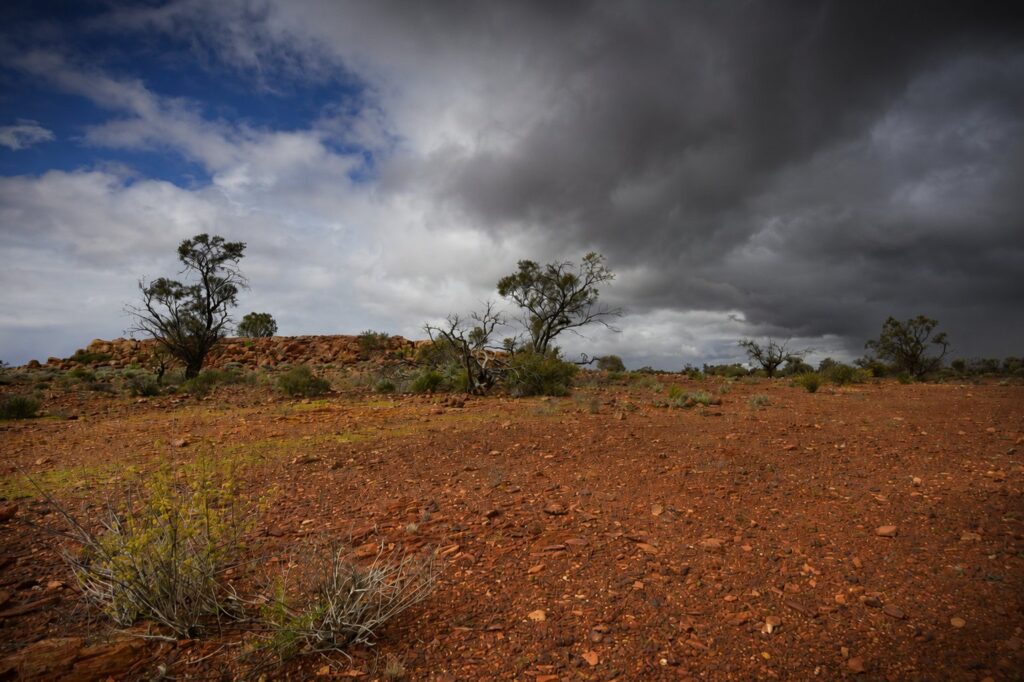
They were. So I fancied new ground — some old disused workings out to the west and north, a long way from the patch I’d been on. Totally different territory to anything I’d been used to.
The Shire website said Nambi Road was open. The sign at the start of Nambi Road said ROAD CLOSED.
You don’t guess about that. Not in a week like this one. So I phoned the Shire, and a bloke answered on his mobile and told me the road was most definitely open — he’d been flat out all week and hadn’t got round to turning the sign round. Then he asked, very politely, whether I’d mind turning it round for him.
So I did. Which means I have now held a position in local government out here: road-sign operative, Nambi Road, one shift, unpaid.
Finding the site took longer than getting to it. The tracks are more confident on the map than they are on the ground. But I got there, parked up, and stood looking at country I did not understand. I wasn’t sure where to start. That is not modesty. I genuinely did not know.
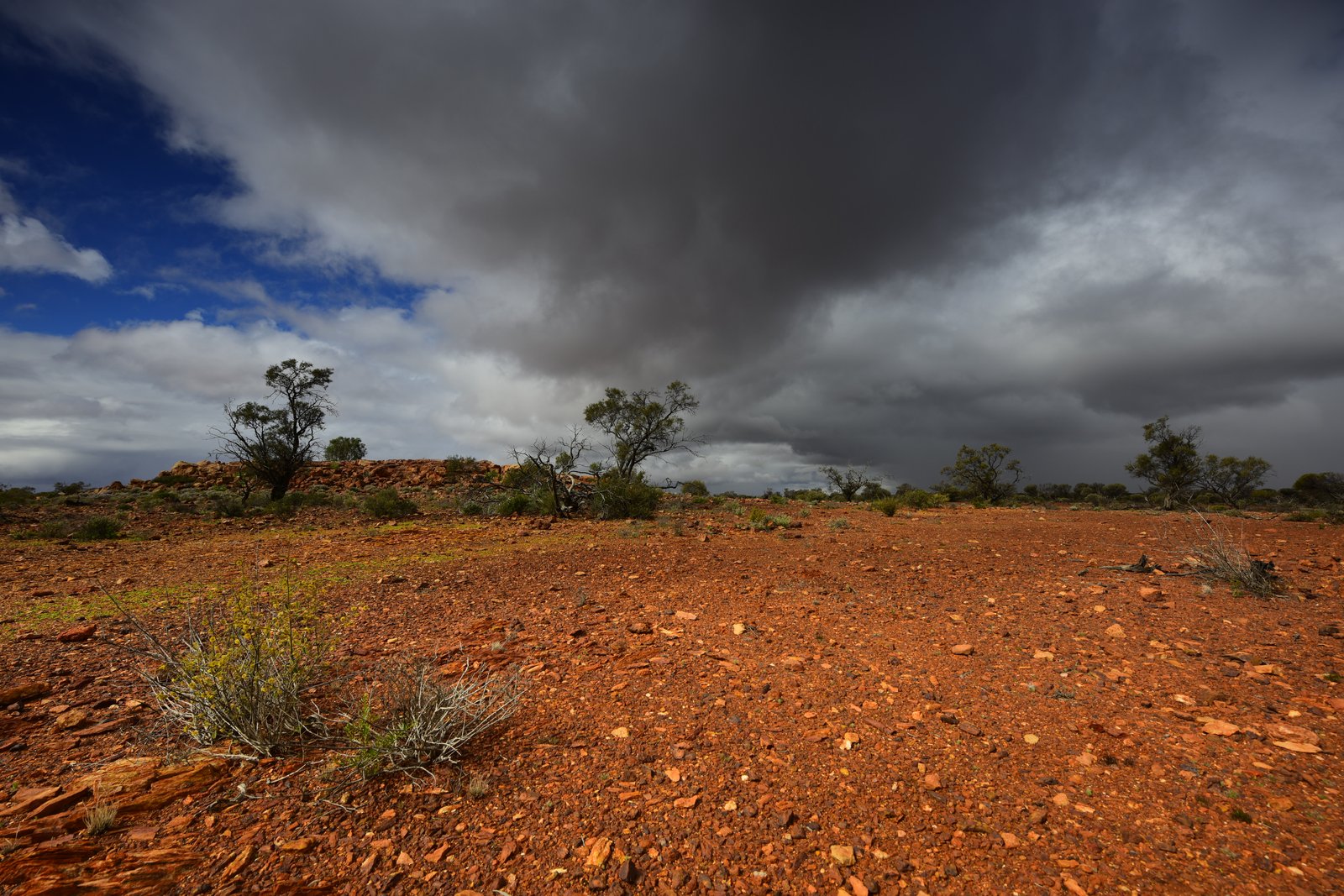
Then the detector, and the same problem as every wet day this week, with interest. The ground is still soaked, and soaked ground talks. I’ve worked out what that sounds like: it sounds like everywhere. I couldn’t pick out the hot rocks any more either, which bothered me, because a week ago I could.
So I dug holes to find out what I was listening to, and that is where the day actually earned itself. Here is the tell. A real target moves. Dig, shift the dirt aside, and the sound goes with the dirt. Ground noise doesn’t. You can move the dirt around all afternoon and the sound stays exactly where it was, attached to nothing.
Every hole I dug on Saturday was a sound attached to nothing.
After a while I stopped digging and just walked, listening, trying to learn what the ground sounded like when it had nothing to say — so that one day, when there’s an exception, I’ll know it. That is not a very exciting way to spend an afternoon. It is, I suspect, the whole job.
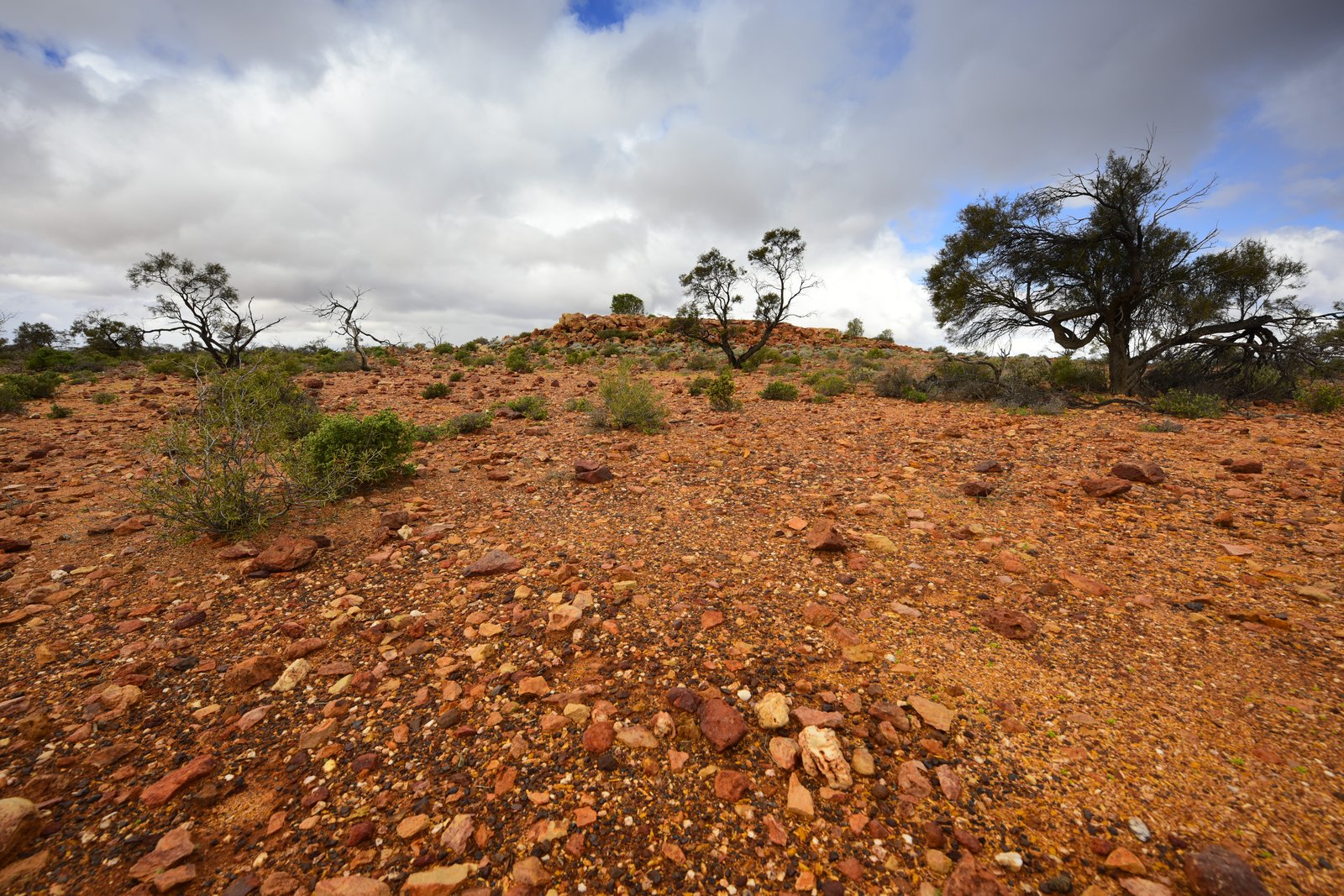
Then the rain started, and I sat in the car with a cup of tea, watching the weather come in and doing the arithmetic on whether I was wasting my time. The arithmetic did not take long.
So I got the Nikon out instead. It hasn’t had a proper run in a very long time, and the sky was doing something worth the practice. Nothing too brilliant, but I like a moody sky. The detector found nothing all day. The camera did all right.
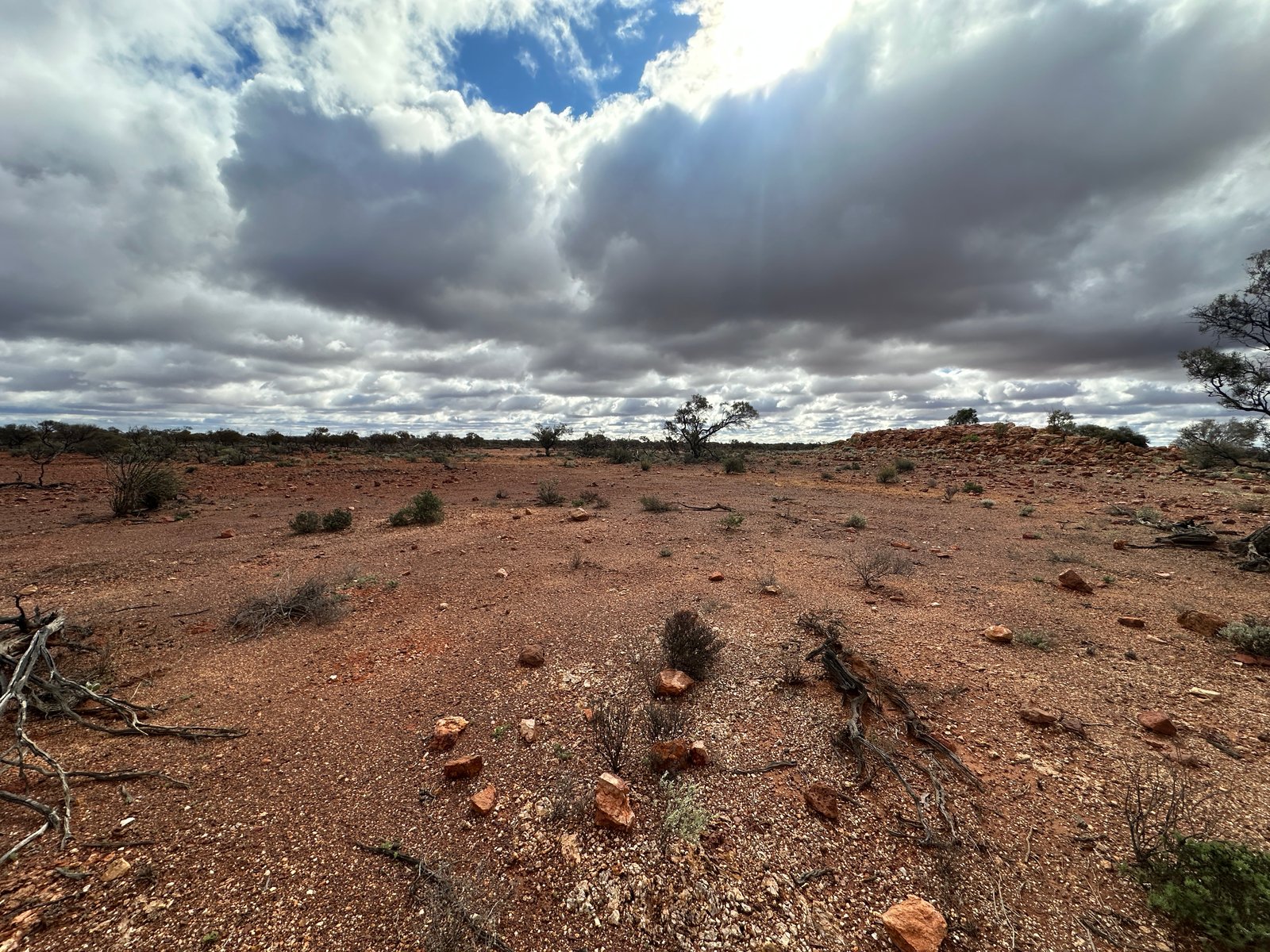
By mid-afternoon the sky had gone a colour I didn’t fancy arguing with, and I could see how this ended: stay another hour, find out first-hand how fast these tracks turn to soap. So I packed up and headed for town — and just as I reached the sealed road, the sky let go.
Heavy rain. Wind. Things blowing across the road in front of the car. A proper storm. Driving through Leonora there was stuff going past sideways, and back at Hoover House there were trees down on top of a car.
Tony reckons the ground takes five days to dry out. Wednesday was day one. Saturday afternoon put the clock back to zero.
Whether it dries out properly before I have to leave, and whether the roads are shut again in the morning, I don’t know. I have found one piece of gold, and I am no better at this than I was on Friday.
Not very much prospecting today, then. A go at the photos, one educated guess about mud, and a short career in council signage.
Pingback: Did I Mention the Junk? - Digging for Legacy